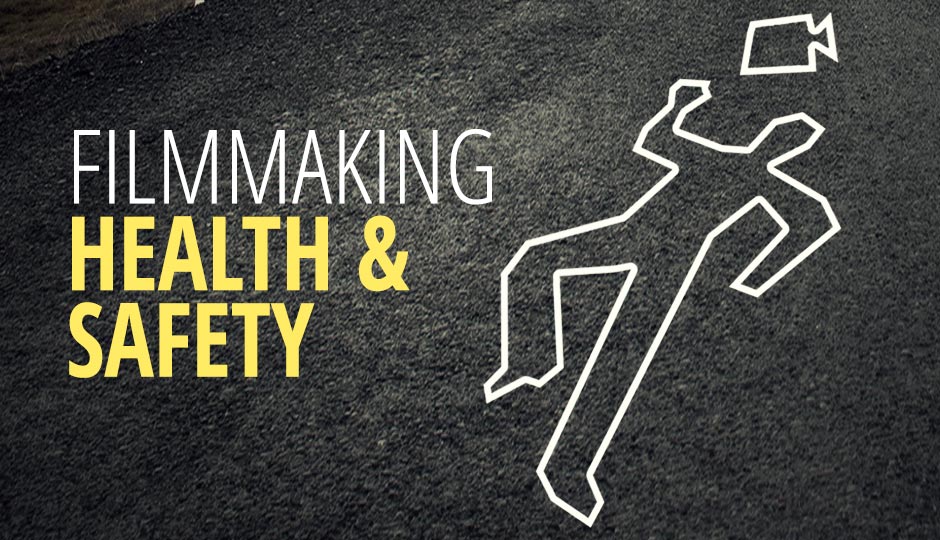
Does having a Health & Safety Policy mean that I am safe?
I have been working in production for 18 years, filmed in countries across 3 continents and arranged shoots in many more. While working on one of the largest TV sets ever constructed, I witnessed someone suffer a potentially life-threatening injury. We had highly comprehensive H&S procedures in place including detailed Risk Assessments and H&S Consultation in advance plus paramedics and fire safety crews on set. We were performing dangerous activities and despite this careful preparation, someone was hurt – but the plan we had in place to deal with that situation undoubtedly prevented more serious trauma and they made a full recovery. The paperwork itself doesn’t make you safe, but the process of working through it enables you to assess the details of what you plan to do and work out how to make it as safe as you can.
Where should I start with sorting out H&S for my company?
There are two key types of document that any production company should have in place before production starts. One is their H&S Policy which lays out their company approach to H&S. The other is a Risk Assessment for any productions or facilities that identify hazards and help manage the risks. Risk Assessments will be covered in the next article. What’s a difference between a hazard and a risk? There are a few keywords that get used a great deal in H&S planning. So before you start, it is important to know what they actually mean. TERM MEANING NOTES Hazard Refers to the potential for harm. Can also be the potential for mental or psychological harm. Risk The chance of that harm actually happening. How likely is it that someone could get hurt or something get damaged. Controls Taking precautions to reduce or ideally remove the risk. There are a variety of ways to reduce risks by implementing measures to control the hazard or protect the personnel and/or environment in close proximity to it. Practicable Taking precautions that are possible, as well as suitable or rational, given the situation. Have you got the time / budget / resources to implement the above controls? Due Diligence Where employers, contractors and individuals take all reasonable precautions, under the circumstances, to prevent incidents in the workplace. Evaluating the above controls, deciding which ones are practicable and implementing them.
How long will it take?
The policy does not need to be complicated or time-consuming. In fact, the size and complexity of management systems for health and safety depend on the size and complexity of the production. For more complex, hazardous or specialist productions – advice may have to be sourced from a competent outside specialist or consultant.
consultant or to anyone else. ◦
Is there a template that I can use?
Filmsourcing does have a Production Risk Assessment template that is available for subscribers. You can also seek advice via the 1-on-1 chat feature or schedule a specific consultation with myself or a local representative. Please sign up and subscribe to download or visit here for more details.
Am I done now?
As mentioned above in Step 4, you should constantly review and update any risk assessments and the resulting controls you put in place to make sure they are still working. After the production, it is good practice to review the whole system to see whether useful lessons could be learned for the future. Is it also important to note that these articles and resources provide an introductory framework to Production H&S. Don’t make the mistake of assuming that just because you have filled in some forms that everything is done. You need to communicate with the other members of your crew, ask them for feedback and re-evaluate constantly. There may well be occasions when specialist advice is also required
Filmmaking Health & Safety – Keeping Your Cast and Crew Safe
Production Health & Safety isn’t meant to be scary. The point of having sensible H&S measures in place is to keep everyone safe. After all we are filmmakers, not special forces soldiers (the sleep deprivation can be similar). The consequences of not taking it seriously can be scary though. No movie is worth dying for – Steven Spielberg Isn’t Health & Safety Just Common Sense? A great deal of it is. But common sense can struggle to prevail on a film set when you are losing light, the talent is looking at their watch, the weather is closing in and everyone is pretty tired. Those are the moments when sticking to your H&S plan is crucial and yes common sense is a key factor. It is also about working through your shoot in advance to make sure that you have that very plan in place in case something doesn’t go quite the way that you want. Don’t most injuries happen on low budget projects or during stunts?
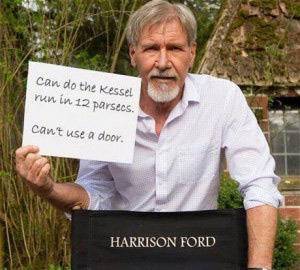
During the filming of Star Wars: Episode VII, paramedics were called to Pinewood Studios in the UK. They attended to a 71-year-old man who had injured his ankle when a door fell from the set of the Millennium Falcon. The man was Hollywood actor Harrison Ford, and he ended up being out of action for several weeks. Health & Safety isn’t about how much money is involved, just how much care is taken. Isn’t that what Insurance is for? Insurance may help cover the cost of damage or provide compensation in the case of injury or worse. It doesn’t stop these things from happening, it just deals with the aftermath. The best approach is to prevent these situations from arising in the first place.
So I need to do even more paperwork?
Film and TV productions often require long hours in challenging locations working to a fast turnaround. By having proper H&S procedures in place, you are playing your part in keeping everyone you work with safe. How involved you are in this process and how much responsibility you carry depends on your role. There are two key types of document that any production company should have in place before production starts. One is their Health & Safety Policy which lays out the company approach to H&S. The other is Risk Assessment which may be created for each scene, location, day, week, block or even a whole shoot depending on the timings and complexities involved. But isn’t every shoot different? Yes it is. That’s the point. Every time you plan to shoot, look at what is involved – even if it is very similar to something you have done before, it is unlikely to ever be exactly the same. I have worked as a one man band (no music involved) and as part of crews that number well over 100. The approach to H&S should be the same in both cases; plan ahead.
Accidents just happen though
There is no such thing as an accident. A highly experienced crash investigator told me this once and I tend to agree with him. We use the word ‘accident’ to refer to everything from spilling a drink to road crashes and even nuclear explosions. The word suggests that luck or fate played a part but there is always at least one specific cause for the incident that could have been foreseen. The definition of an accident is “an incidental and unplanned event that could have been prevented had circumstances leading up to the accident been recognized, and acted upon, prior to its occurrence.” (Robertson, 2015). It is no surprise that “Most scientists who study unintentional injury avoid using the term “accident”. (Robertson, 2015).
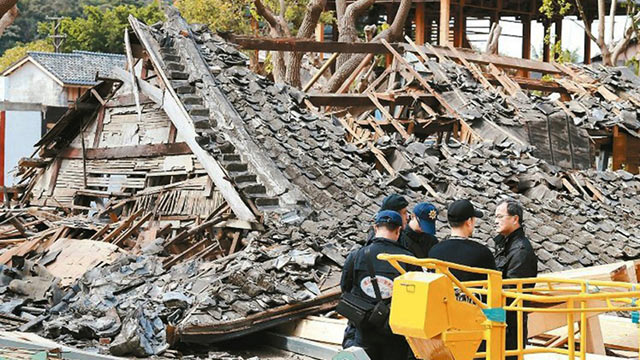
Police investigate the site of a scaffolding collapse on a Martin Scorsese film that killed one worker and injured two more in Taipei, China earlier this year. Safety doesn’t happen by accident – John Reynolds
So who is actually responsible
Under most health and safety legislation (check the specifics of your country though), the ultimate responsibility for health and safety rests with the production company and those in control of relevant premises (studios & locations) and facilities (equipment, vehicles etc.). It is initially up to the production company to establish appropriate procedures to control risk and place H&S alongside editorial and/or dramatic considerations. There should also be good planning, communication, co-operation and co-ordination by and between all parties involved in a production. Especially communication.
But the production company boss is never on set!
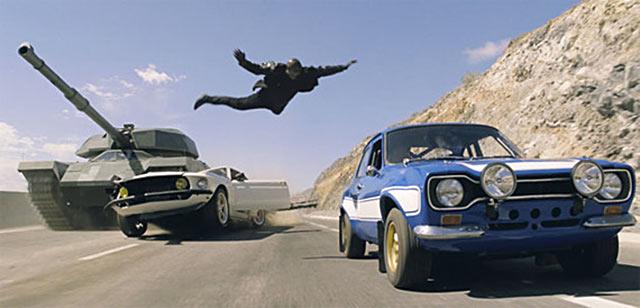
On a day-to-day basis, the producer has overall responsibility for ensuring that appropriate standards of health and safety are achieved and maintained throughout the production process. Producers should ensure, so far as is reasonably practicable, that persons working with and for them are not exposed to risks to their health and safety. There should always be at least one experienced member of the crew who is aware of health and safety issues. Some genres may pose more risks than others i.e. horror or action films or scenes involving animals. The production team should discuss safety issues before filming begins and take steps to avoid or reduce the risks identified.
What does “Reasonably Practicable” mean?
It means taking precautions that are possible, as well as suitable or rational, given the situation. This means that you should: ◦ determine what kinds of risks are caused by your work, ◦ consider how likely those risks are, ◦ take appropriate action that is proportionate to the injury or illness that could occur, ◦ implement well-known and effective industry practices, ◦ involve your staff in identifying and controlling risks. You don’t need to: ◦ do everything humanly possible to prevent accidents, ◦ buy the most expensive equipment on the market, ◦ spend the bulk of your week on H&S training, compliance and documentation.
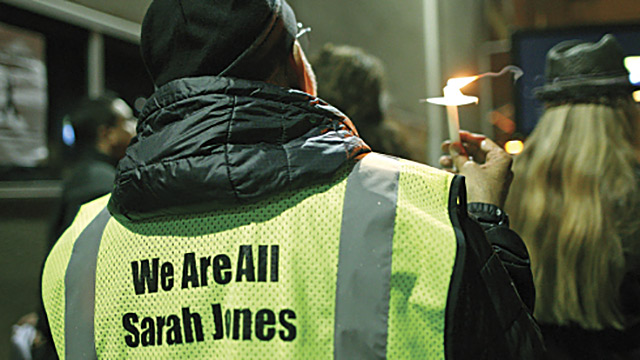
You may already know about the 2014 incident in the USA that killed 2nd AC Sarah Jones. If you don’t, maybe take a moment to familiarise yourself with the facts. I will post a link at the end of this article. Surely that is a one off?